Unvented cylinders
Hot water stored at mains pressure with no tank in the loft, so showers are strong and two taps can run at once. Needs a G3 qualified engineer to fit and service.
 Registered withGas Safe
24 hours a day, 7 days a week · every London borough
Registered withGas Safe
24 hours a day, 7 days a week · every London borough
G3 unvented qualified · Gas Safe registered
Vented and unvented cylinders, direct and indirect systems, and instantaneous water heaters, repaired, serviced and installed by G3 unvented qualified engineers.
Unvented cylinders run at mains pressure, so the law says only a G3 qualified engineer can fit or work on the safety controls. Ours are.
No hot water, or water coming out of the tundish? We answer nights, weekends and bank holidays.
Vented and unvented, direct and indirect, electric and gas, instantaneous and under-sink. One engineer for all of it.
We find the fault, tell you what it needs and what it costs, and only then start work.
Benchmark checklist completed, Building Control notified and your warranty registered with the manufacturer.
Floors protected, old cylinders and tanks taken away, and every joint tested before we leave.
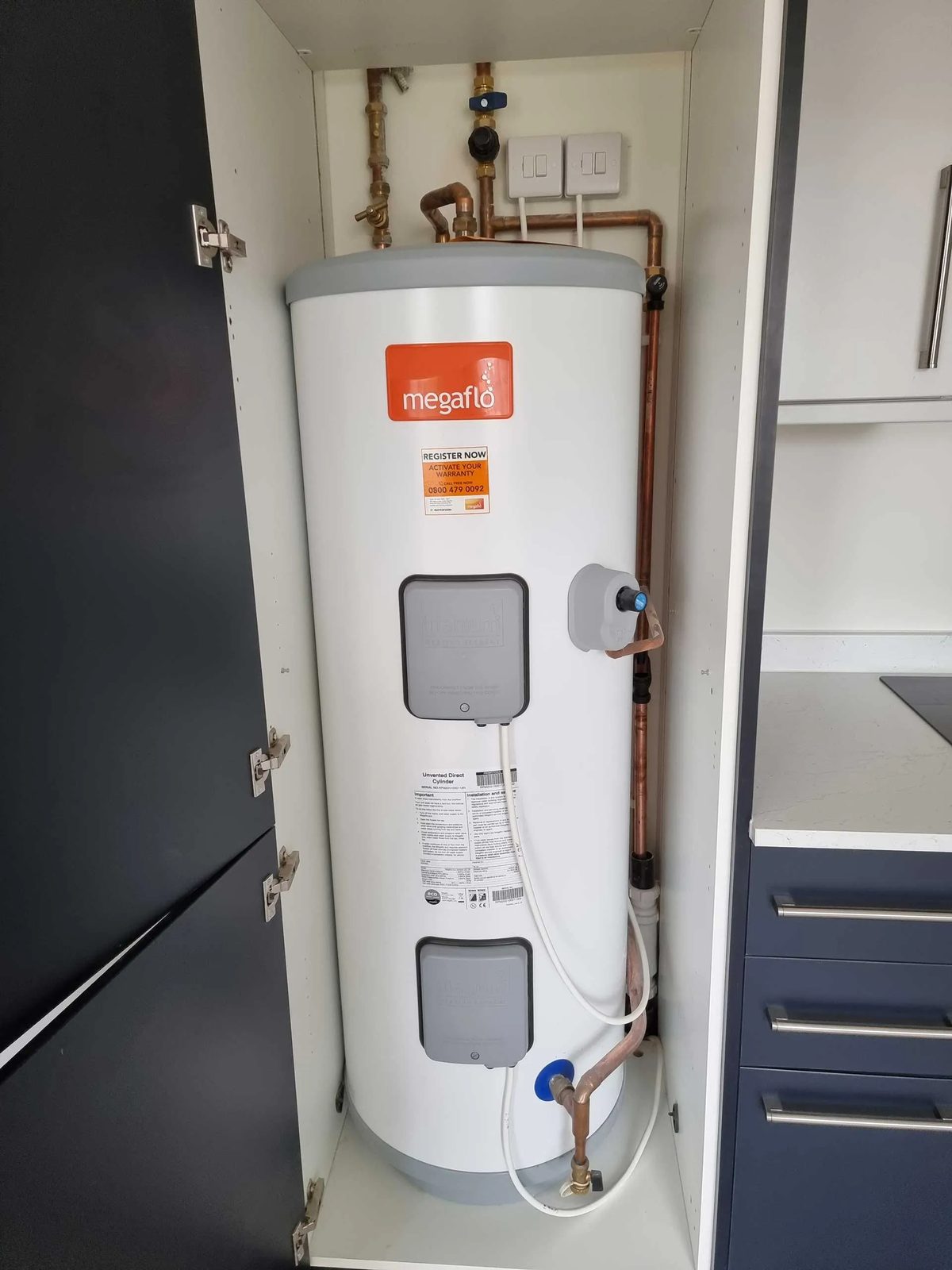
Not sure which you have? Send us a photo on WhatsApp and we will tell you.
Hot water stored at mains pressure with no tank in the loft, so showers are strong and two taps can run at once. Needs a G3 qualified engineer to fit and service.
The traditional setup: a cold water tank in the loft feeds a cylinder in the airing cupboard. Simple and reliable, but pressure depends on how high the tank is.
Heated by electric immersion elements inside the cylinder, with no boiler involved. Common in flats and homes on Economy 7.
Heated by a coil carrying hot water from your boiler or heat pump, usually with an immersion heater as backup. Controlled by a cylinder thermostat and motorised valve.
Heat water as it flows, electric or gas, so there is no stored hot water to run out and no cylinder to find space for.
Small heaters fitted right where the hot water is used, such as a kitchen, cloakroom or office, so you do not wait for it to arrive from across the house.
An unvented cylinder holds a large volume of very hot water under mains pressure. The safety controls are what stop that turning dangerous, so Part G3 of the Building Regulations says only a qualified, competent person can install one or work on it.
Our engineers hold the G3 unvented qualification. When we fit or service your cylinder, the controls are set up and tested as the manufacturer requires, the installation is notified to Building Control, and the Benchmark checklist is completed so your warranty stays valid.
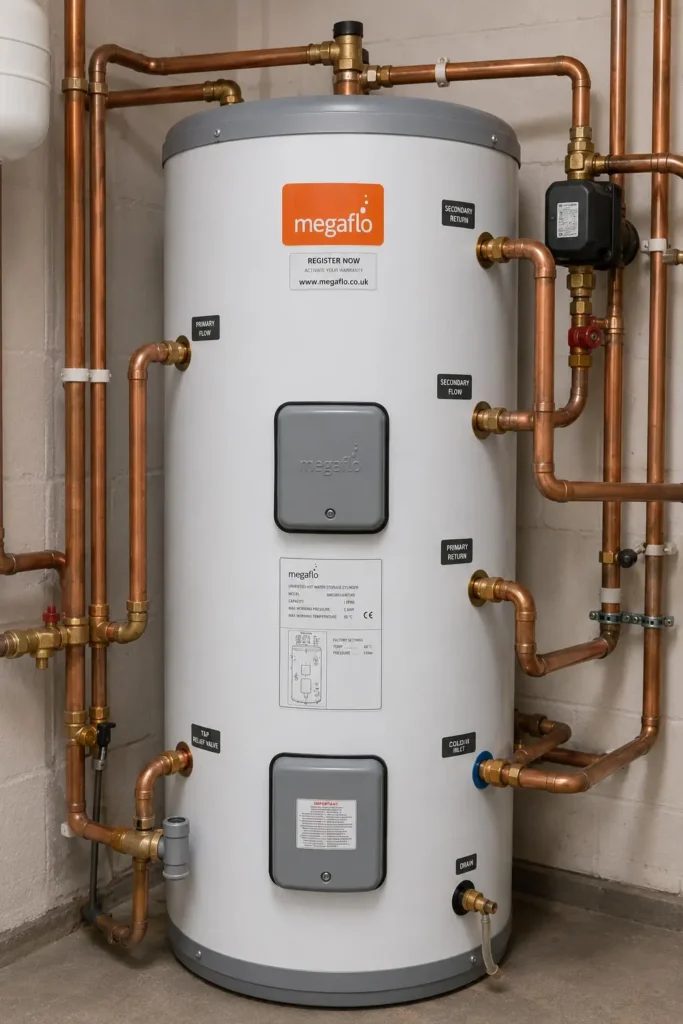
Most hot water faults come down to one part: a thermostat, an immersion element, a valve or a vessel. We find which one and replace it, rather than selling you a new cylinder you do not need.
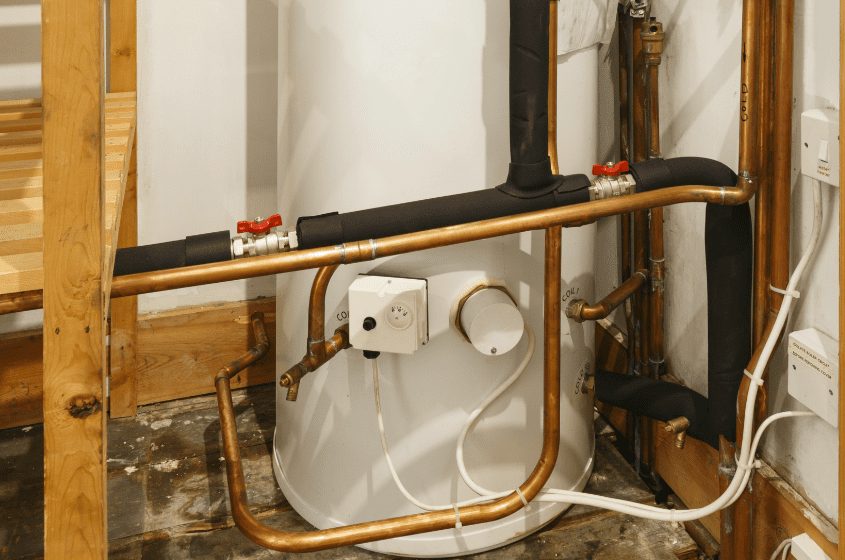
We work back from the cylinder to find the cause, whether it is the cylinder thermostat, the motorised valve, the programmer or the boiler itself.
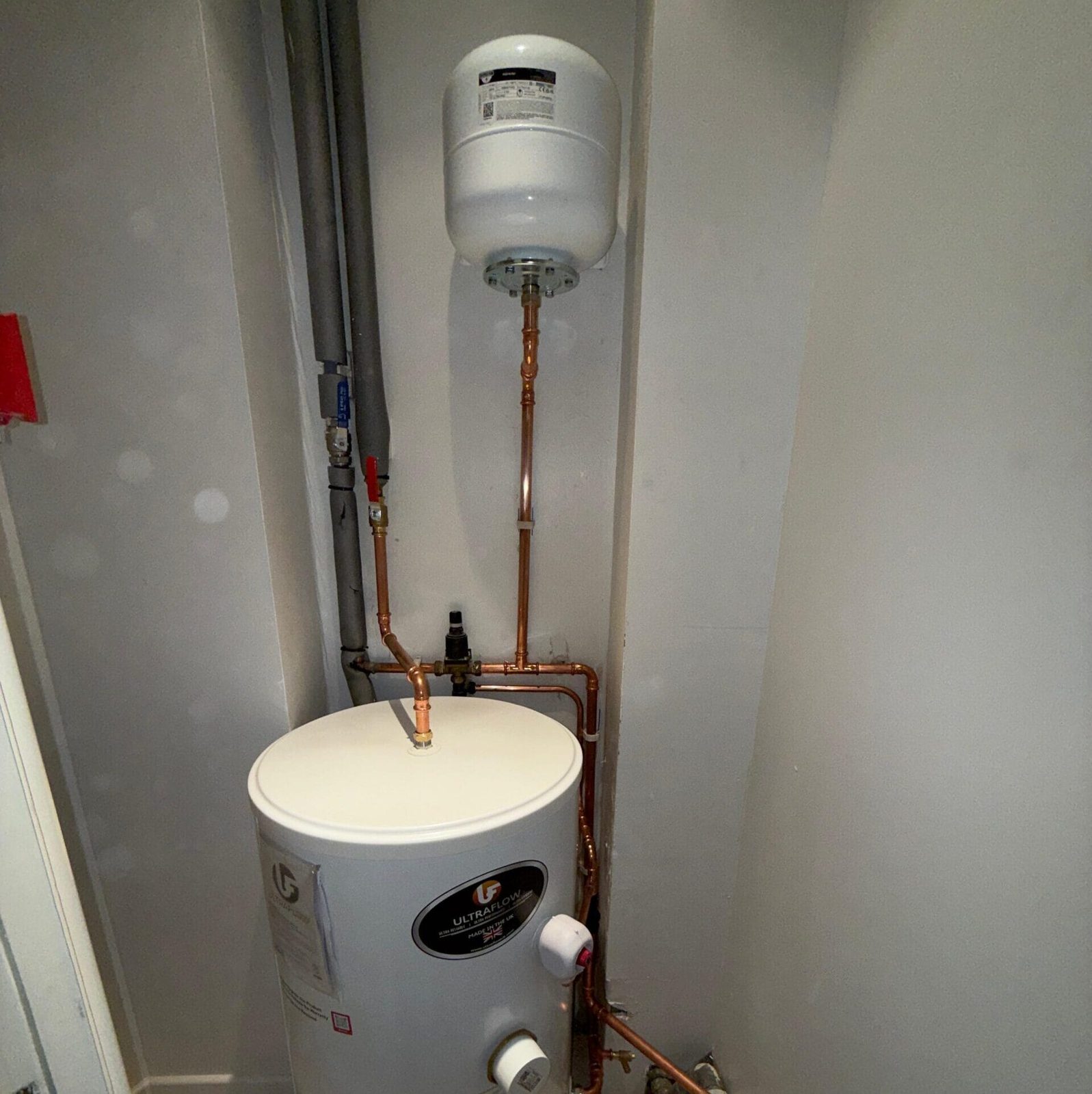
Water running through the tundish means a safety valve is opening. Usually the expansion vessel has lost its charge or a relief valve is worn. It needs a G3 engineer.
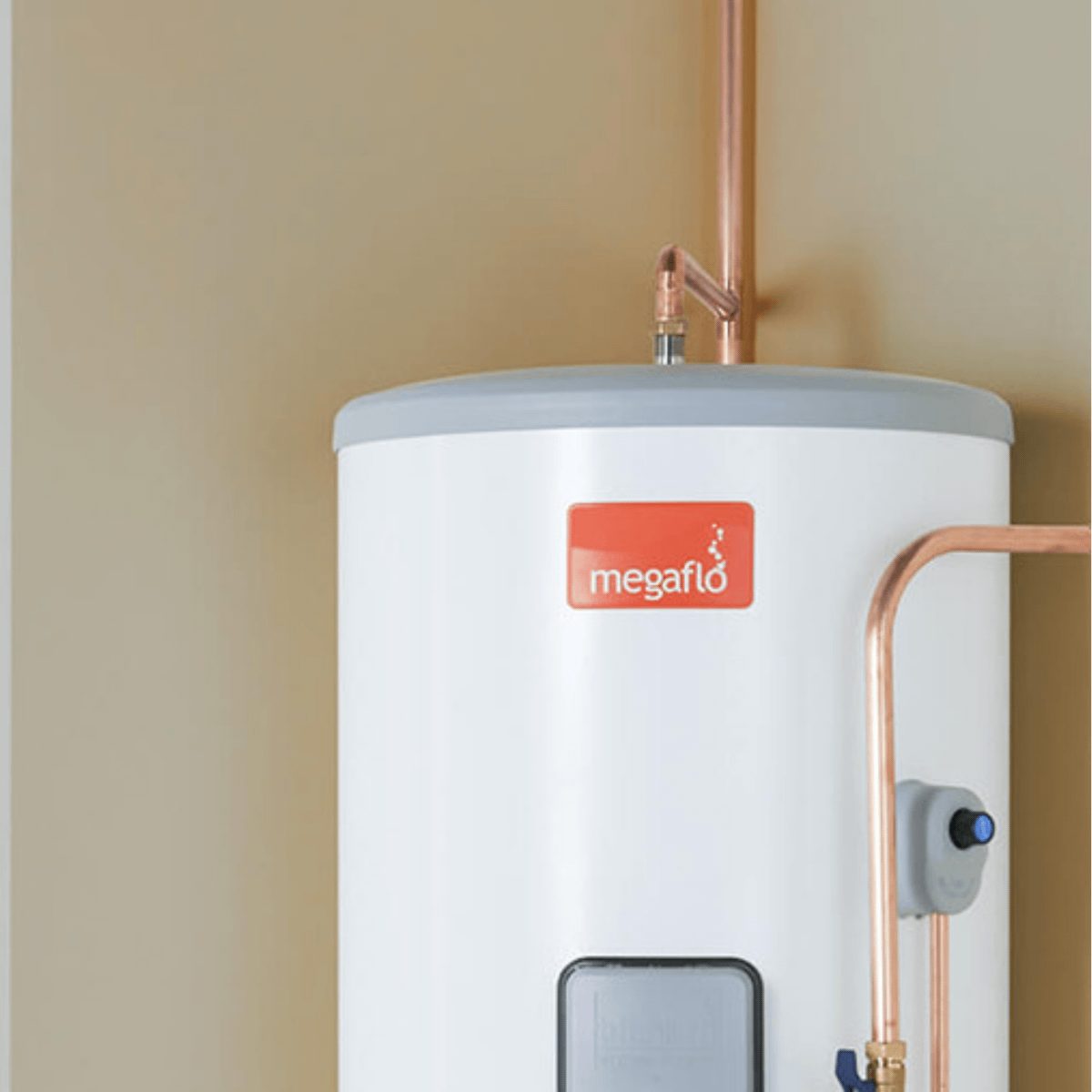
Lukewarm water, a tripping electric supply or no heat at all on a direct cylinder. Elements and thermostats tested and replaced with the right part for your make.
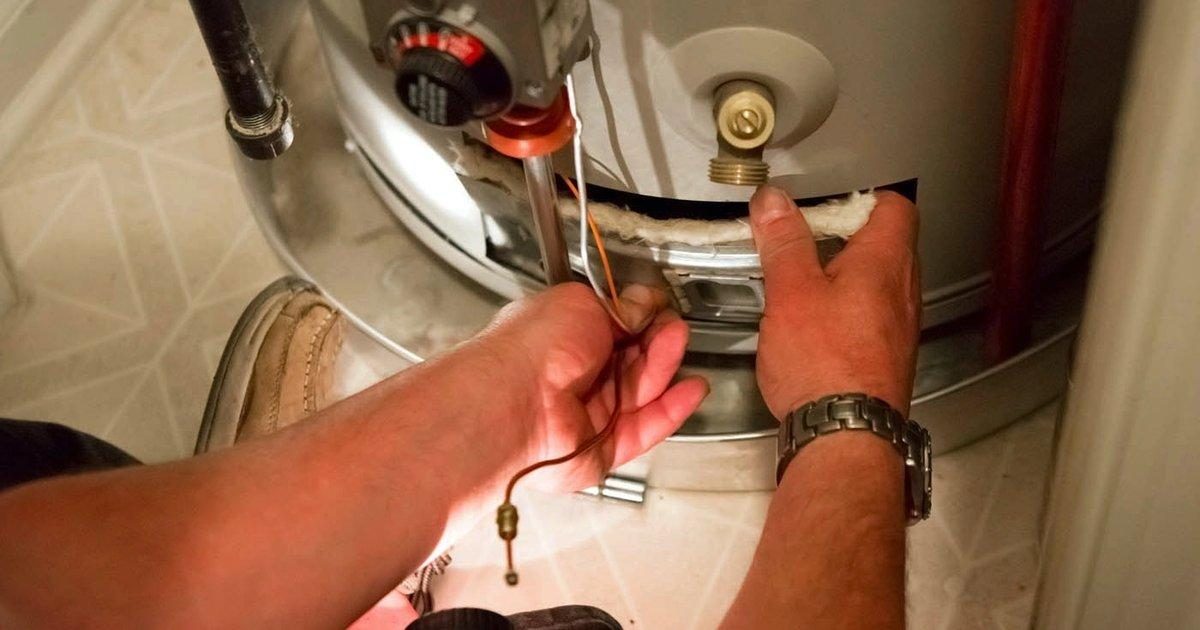
Pilot lights that will not stay lit, burners that fail to fire, and poor combustion on gas-fired storage and instantaneous heaters. Worked on by our Gas Safe registered engineers.
A safety valve is opening. Do this, then call us.
Sized for how many people live in the house and how many bathrooms you have, fitted neatly and handed over with the paperwork.
Mains-pressure hot water to every tap and shower. We check your incoming water pressure and flow first, because an unvented cylinder is only as good as the mains feeding it.
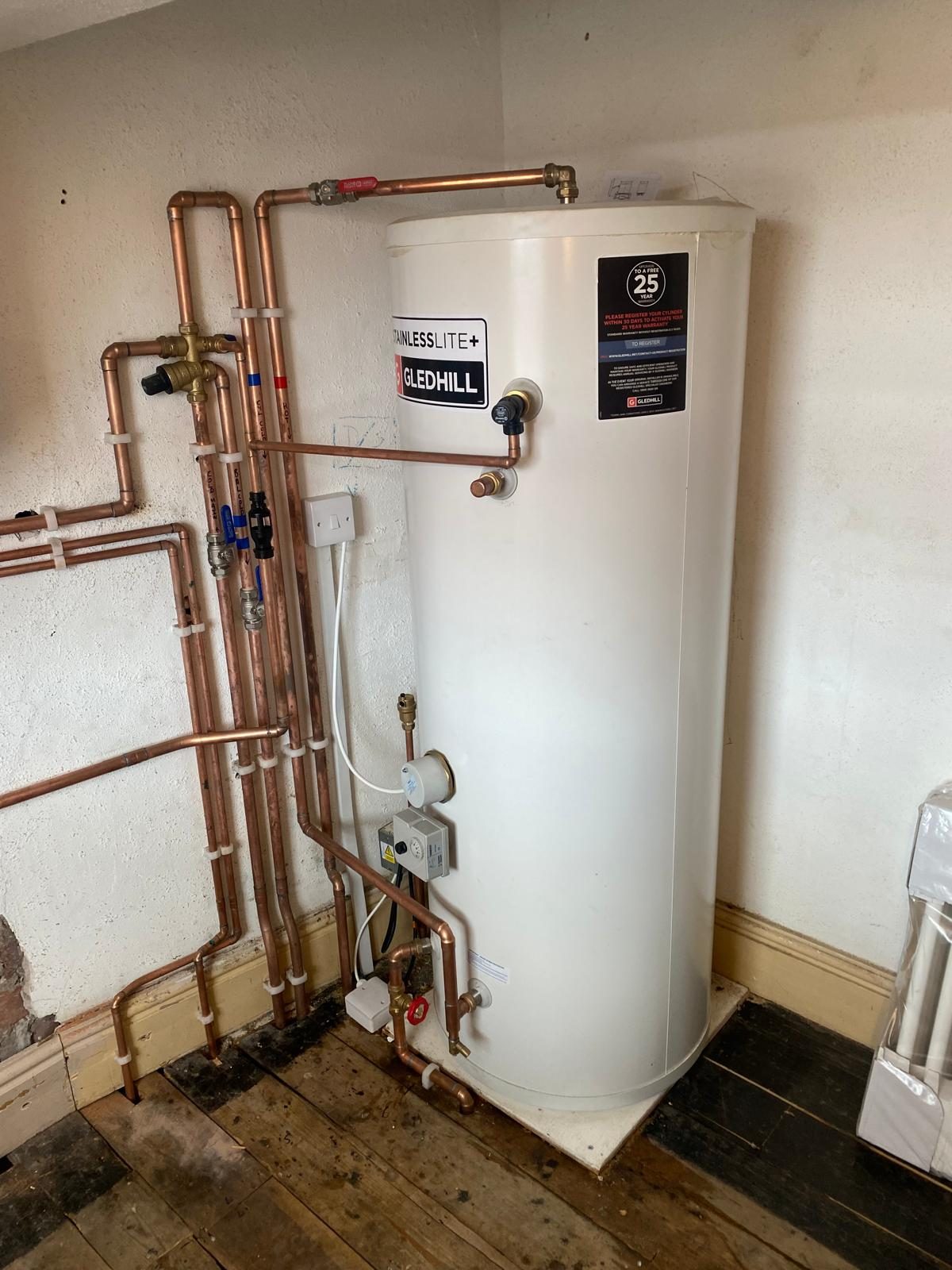
Swap the airing cupboard cylinder and loft tank for an unvented system. Stronger showers, no tank in the loft to freeze or leak, and the space back.
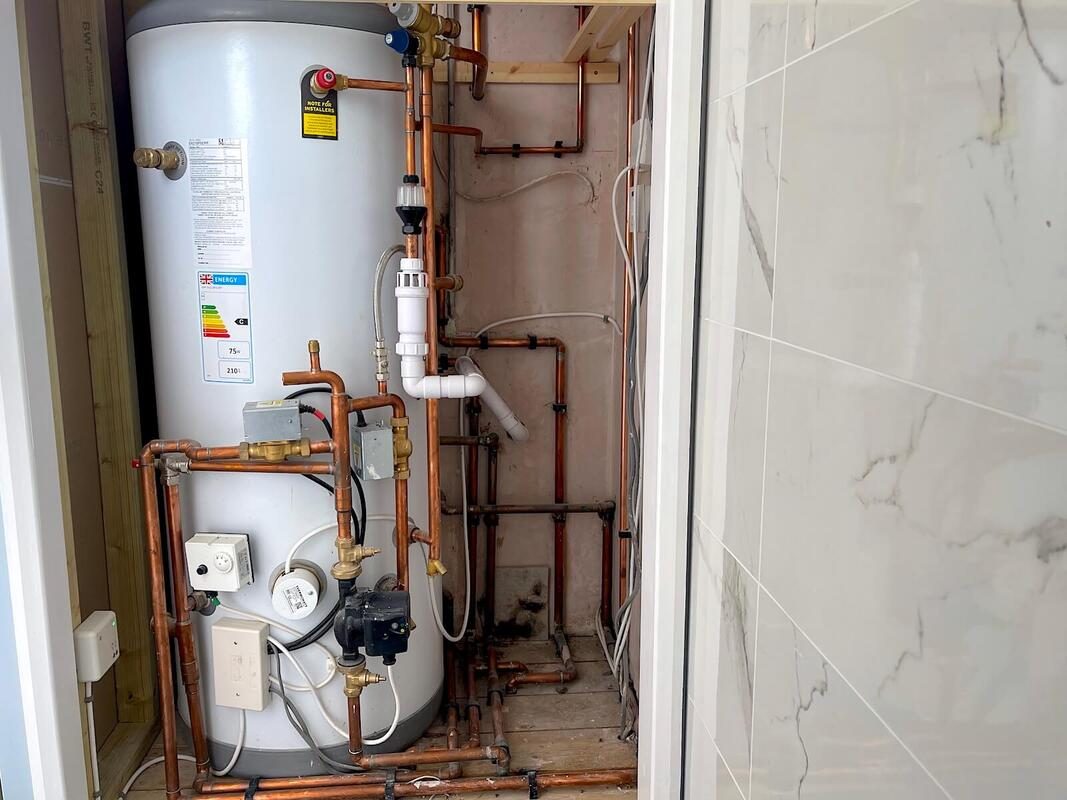
When a vented cylinder is past saving, a new one goes in on the same connections, usually in a day, with the old one taken away.
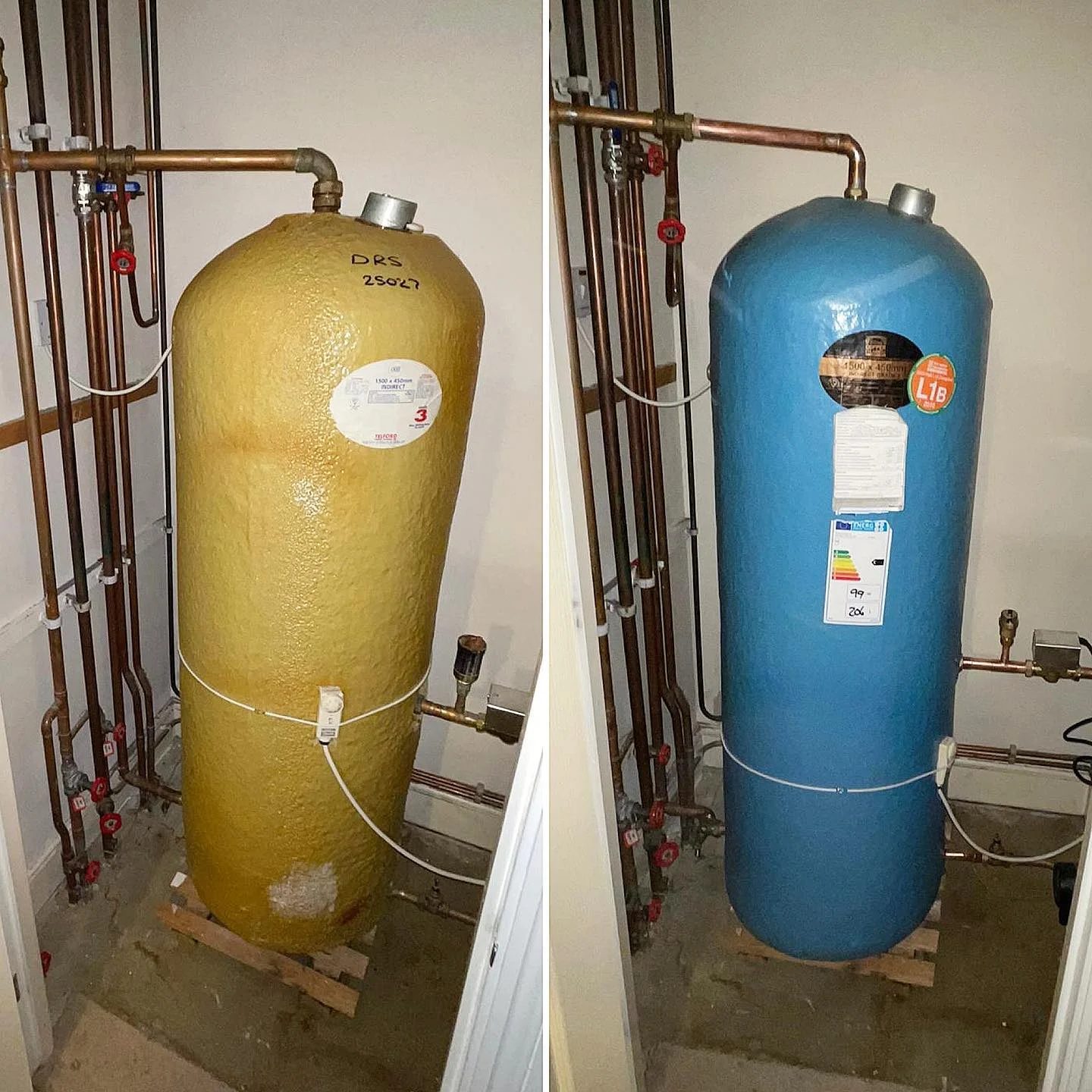
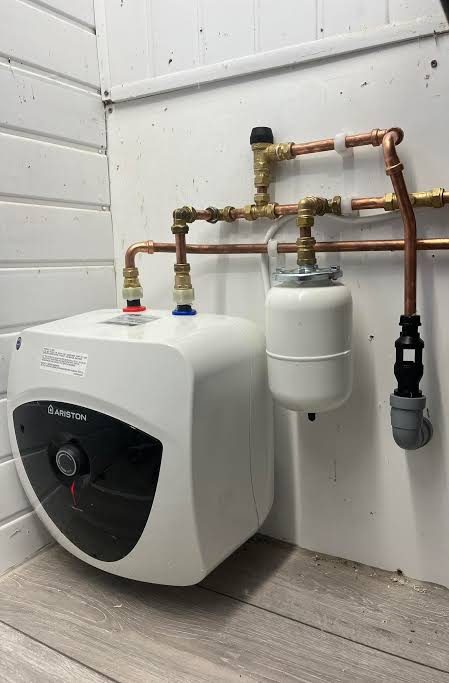
For a kitchen at the far end of the house, an office, a cloakroom or a garden room. Small, quick to fit, and hot water in seconds.
Swipe or use the arrows.


Manufacturers require a yearly service by a G3 qualified engineer to keep the warranty valid, and it is what keeps the safety controls working.
The temperature and pressure relief valve and the expansion relief valve are manually operated to prove they open and reseat cleanly.
The air charge is measured and topped up. A flat vessel is the most common reason water ends up in the tundish.
The strainer is cleaned and the pressure reducing valve checked, so the cylinder sees the pressure it was designed for.
Thermostats, cut-outs and the discharge pipe checked, then the Benchmark service record filled in and signed.
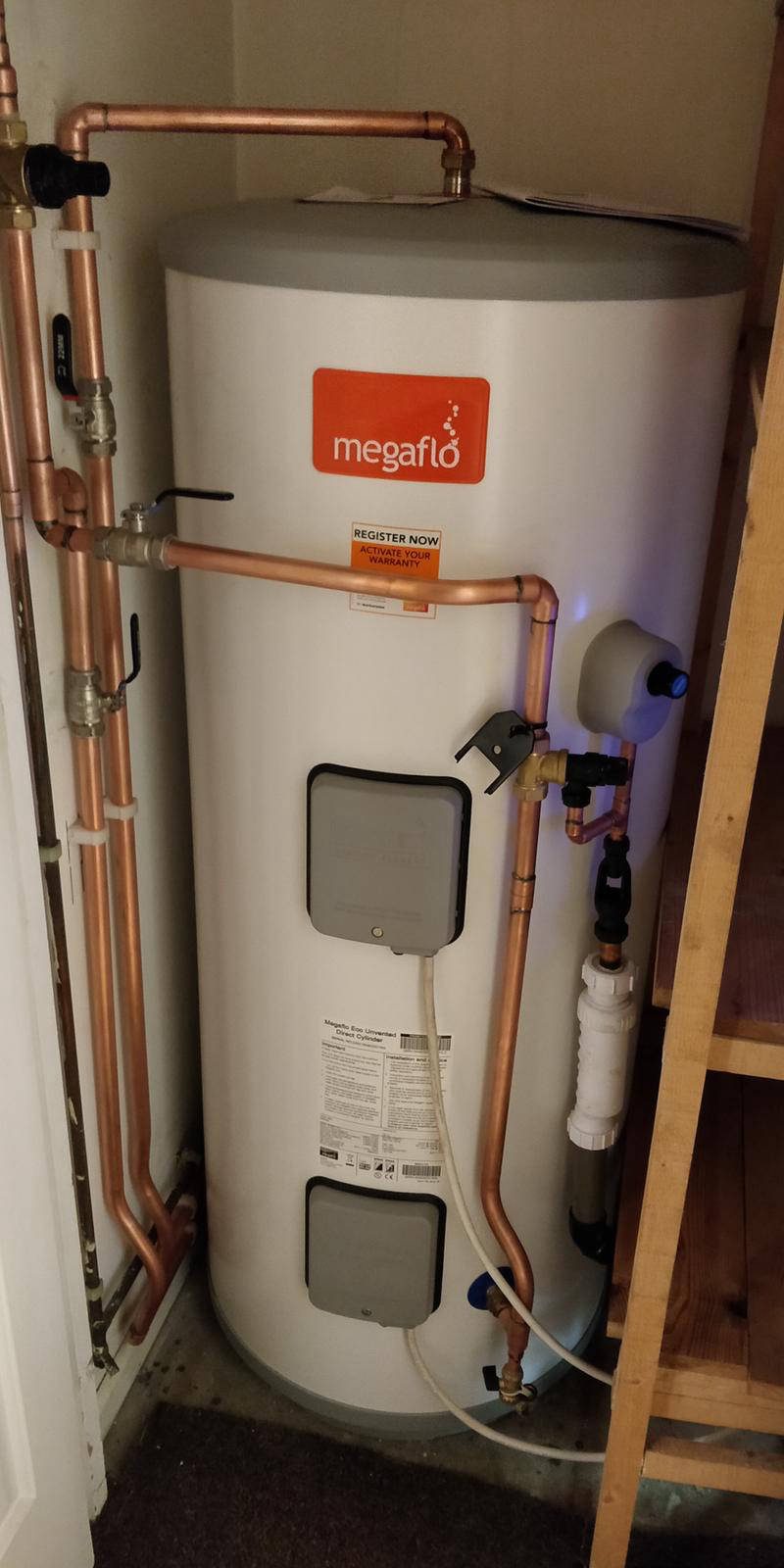
Including Megaflo, Tempest, Ultraflow and ThermaQ, alongside the makes below.








We look at the problem, tell you what it needs and what it will cost, and only then start work.
| What we look at | Why it changes the cost |
|---|---|
| Repair or replace | Most faults are a single part. A leaking cylinder body, or one old enough that parts are no longer made, is usually better replaced. |
| Vented or unvented | Unvented work needs a G3 engineer and more safety components. Converting from vented also means removing loft tanks and running a discharge pipe. |
| Cylinder size | A larger cylinder costs more, but one too small for the household runs out. We size it to how many people and bathrooms you have. |
| Access | A cylinder in an open airing cupboard is quick. One boxed in, in a loft or behind kitchen units takes longer. |
| Pipework | Old or undersized pipework may need upgrading to get the full benefit of mains pressure. |
A vented cylinder is fed by a cold water tank in the loft, so its pressure depends on gravity. An unvented cylinder is fed straight from the mains, so it delivers mains pressure to every tap, with no loft tank. Unvented systems need extra safety controls and a G3 qualified engineer.
It is the qualification an engineer needs to install and maintain unvented hot water systems under Part G3 of the Building Regulations. Always ask to see it before letting anyone work on an unvented cylinder.
If you have a gas boiler or a heat pump, an indirect cylinder heated by it is usually the cheapest to run. If you have no boiler, or you are on an electric tariff like Economy 7, a direct cylinder heated by immersion elements makes more sense.
Most London homes are, but not all. We test your incoming pressure and flow rate before recommending one. If the mains is weak, we will tell you rather than fit something that disappoints.
A like-for-like swap is usually one day. Converting from vented to unvented is normally one to two days, depending on the pipework and where the discharge pipe has to run.
Once a year. Manufacturers make it a condition of the warranty, and it is the only way to know the safety valves and expansion vessel are still working.
One number, every London borough, 24 hours a day. Call 079 1616 8585 or message us on WhatsApp.
Cylinder, immersion, tundish or a new water heater. Call us any time, day or night, anywhere in London.
Call 079 1616 8585Accredited, approved & trusted