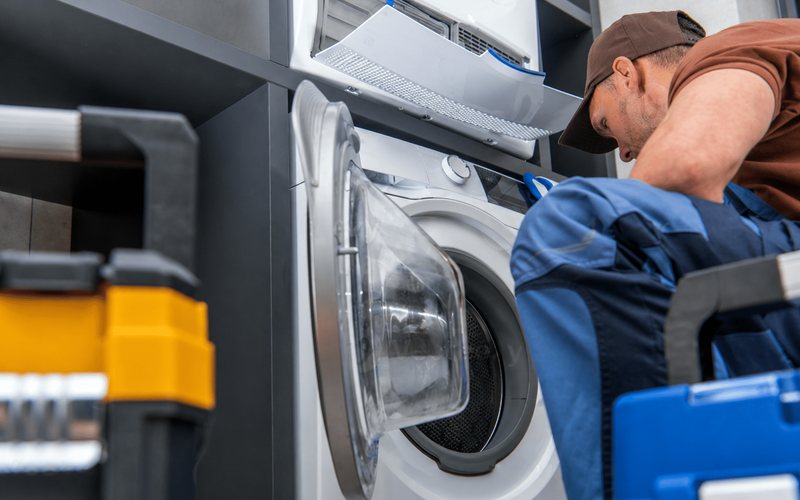
Washing machine installations
Plumbed into supply and waste, levelled so it does not walk across the floor on a spin cycle, and the transit bolts taken out. Those bolts are the one everybody forgets, and leaving them in wrecks the drum bearings.
 Registered withGas Safe
24 hours a day, 7 days a week · every London borough
Registered withGas Safe
24 hours a day, 7 days a week · every London borough
Washing machines, dishwashers, gas cookers, ovens, hoods and more. Connected properly, tested, and the old one taken away.
Anything that needs water, waste or gas connecting, plus the electrical side where it is a straight connection. If it is on this list we do it as a matter of routine.
Plumbed into supply and waste, levelled so it does not walk across the floor on a spin cycle, and the transit bolts taken out. Those bolts are the one everybody forgets, and leaving them in wrecks the drum bearings.
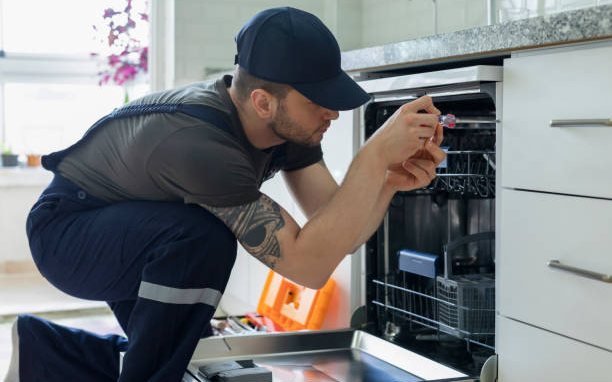
Freestanding or integrated. The supply is teed off properly and the waste connected to the trap at the right height, so dirty water cannot siphon back into the machine.
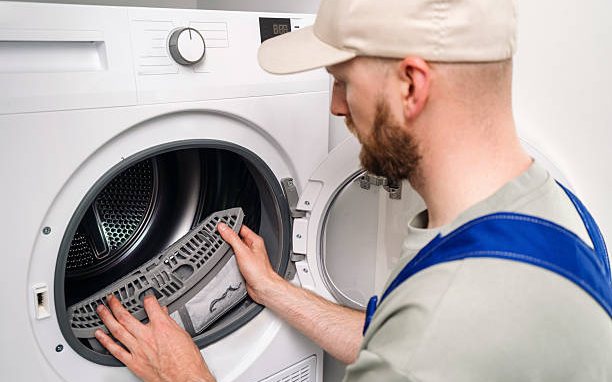
Vented, condenser or heat pump. Vented models need ducting to outside rather than into the room, condensers need somewhere sensible for the water, and both need air around them.
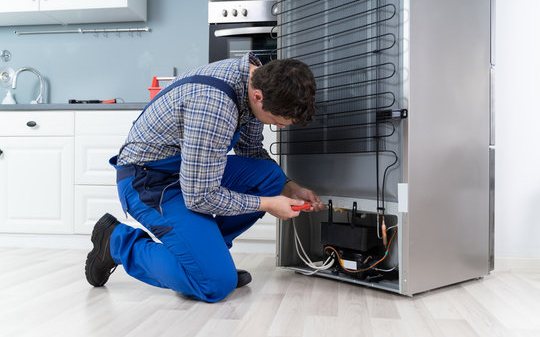
American-style fridges with water and ice need a supply run to them, with an isolating valve and a filter so it can be serviced later without draining the kitchen.
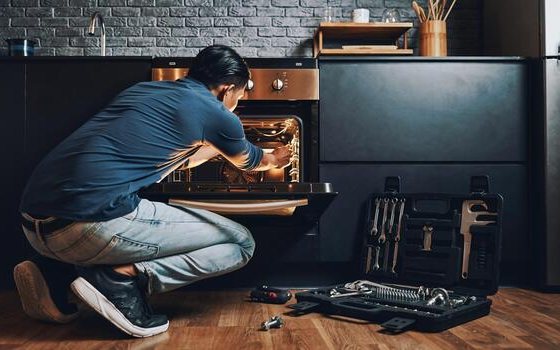
Housed, levelled and wired in. Most built-in ovens want their own circuit rather than a plug, and we will tell you which yours needs before the kitchen is closed up.
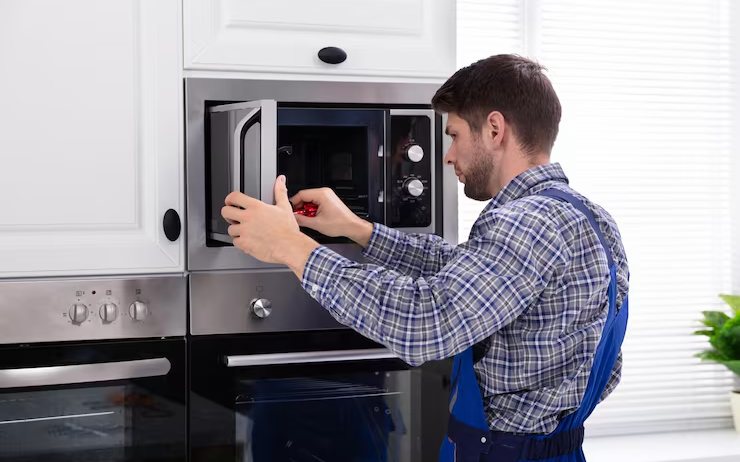
Fitted into the housing unit, levelled square with the surrounding doors and connected. Fiddly rather than difficult, and very obvious when it is out by a few millimetres.
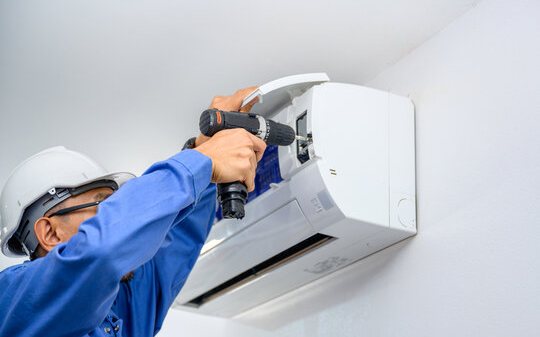
Wall-mounted split systems sized for the room and sited so the airflow is not blowing straight down on you, with the indoor and outdoor units connected and commissioned.
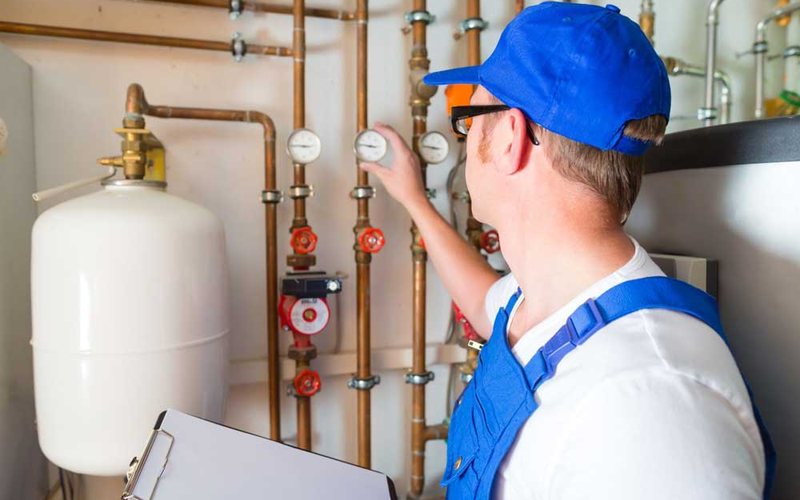
Under-sink instant hot water taps and unvented water heaters, including the expansion vessel and safety fittings they need to be installed correctly.
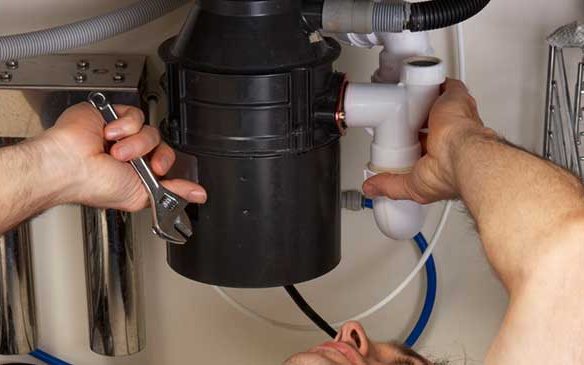
Fitted to the sink, connected to the waste and wired in. We will also tell you honestly whether your pipework run is suitable, because in some older London flats it is not.
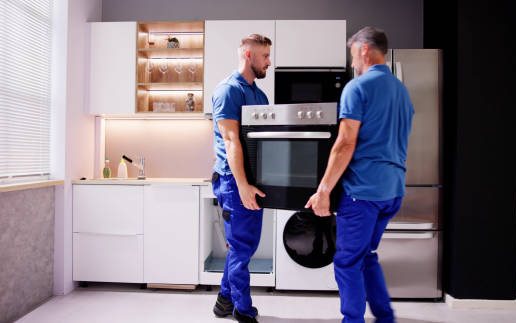
Connecting a gas cooker is legally work for a Gas Safe registered engineer. We are. Every one gets a tightness test and a check that it is burning correctly before we leave. Electric cookers need a suitable circuit, which we will check first.
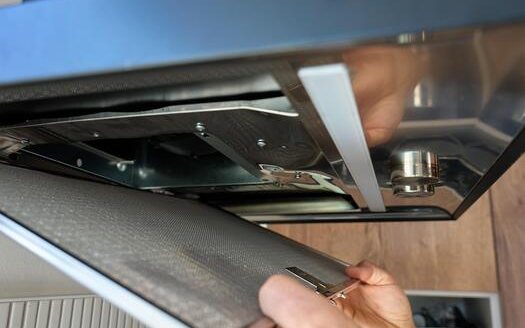
Ducted or recirculating. Ducted to outside is the one that actually removes steam and grease; recirculating is what you fall back on when there is no route out.
Two jobs on this page are not just a matter of skill, they are regulated. Worth knowing before you let anyone connect them.
Gas cookers and hobs. Only a Gas Safe registered engineer may connect a gas appliance in the UK. This is why the shop that delivered your cooker left it in the middle of the kitchen still in its box. A DIY or unregistered connection is a criminal offence, it invalidates your home insurance, and a badly made joint on a gas supply is exactly as dangerous as it sounds.
New electrical circuits. Connecting a cooker to an existing cooker outlet is straightforward. Running a brand new circuit back to the consumer unit for one is notifiable work under Part P of the Building Regulations, and has to be certified by a registered electrician. If your kitchen has no suitable circuit we will tell you at the quote, not once the units are back in.
Not sure what you have? Send us a photo of the appliance you have bought and the space it is going into, plus whatever is currently connected there. We will tell you what the job involves and what it costs before you commit to anything.
Plenty of people do, and for a washing machine going back into an existing space that is a fair call. These are the reasons customers ring us instead.
Plenty of manufacturers require professional installation, and some want proof of it before they will honour a claim. Fitting it yourself can quietly void the cover on an expensive machine.
A gas cooker or hob connected by anyone not on the Gas Safe Register is illegal, uninsured and genuinely dangerous. That is not a sales line, it is the law.
The classic is a push-fit washing machine connection that seeps behind the units for months before anyone notices. Done properly, tested under pressure, left dry.
We disconnect, remove and take away the appliance you are replacing, rather than leaving it in your hallway.
Machine run through a cycle, hob burners checked, oven brought up to temperature. You watch it work rather than finding out at the weekend.
Plumbing and gas on the same job. You are not booking a plumber for Tuesday and waiting on somebody else for the gas connection.
Make and model, and a photo of where it is going along with whatever is connected there now. That is usually enough for us to price it without a visit.
Fixed price agreed up front, including removing the old appliance if there is one. If we think there is a chance of complications we will say so rather than surprise you on the day.
Connected, levelled, and run to make sure it works. Gas appliances get a tightness test and a combustion check. Nothing gets signed off on the basis that it looks right.
Packaging flattened and taken, old appliance loaded into the van, floor left as we found it.
Tell us what it is and where it is going, and we will arrange a time and give you a clear price.
| What we look at | Why it changes the cost |
|---|---|
| Straight swap or a new position | Putting a machine back where the last one stood is the quickest job on this page. Moving it to a different run of units means new supply and waste. |
| Gas or electric | A gas connection carries a tightness test and a combustion check, which is more work and more qualification than plugging something in. |
| Existing pipework and wiring | If what is there is old, undersized or in the wrong place, it needs putting right first. We flag this at the quote stage wherever we can see it. |
| Removal of the old appliance | Included as standard. Tell us when you book so we leave room in the van. |
| More than one at a time | Cheaper together than separately. A kitchen refit with four appliances is one visit, not four. |
For a gas cooker or hob, yes. It is against the law for anyone who is not Gas Safe registered to work on a gas appliance in the UK, and retailers who deliver will not connect one for you. An electric cooker is different, though a new dedicated circuit for it is notifiable work in its own right.
Sometimes their service is fine and you should take it. It is worth asking two questions first: whether the price includes taking the old one away, and what happens if your existing pipework or wiring turns out not to be suitable. Delivery drivers will usually just leave the appliance in the kitchen if anything is not straightforward.
Yes. Most of what we fit was bought by the customer from a retailer. We do not need to have supplied it.
Yes, we disconnect it and remove it as part of the job. Tell us when you book so we allow for it.
A washing machine or dishwasher going into an existing space is usually under an hour. A gas hob, a built-in oven needing a new circuit, or anything where the pipework has to be moved takes longer, and we will tell you which yours is beforehand.
One number, every London borough, 24 hours a day. Call 079 1616 8585 or message us on WhatsApp.
Send us a photo of it and the space it is going into. We will price the job and book you in, usually the same day.
Call 079 1616 8585Accredited, approved & trusted